 photo credit Project SHINE photo credit Project SHINE
“When I first came to America, I only knew a couple letters. I couldn't communicate with anybody. And I learned about this program and I started (to learn English). I have been here for three years and now I have built a basic vocabulary that I can carry my daily life. It basically helped me to live in America." -Project SHINE participant
In the early 1980s, Nancy Henkin, founder and director of the Intergenerational Center at Temple University, was shocked by the news that loneliness and social isolation led an elderly Asian woman to commit suicide, at a time when it was commonly assumed that older immigrants were part of tight-knit and supportive communities. Henkin realized that older immigrants often struggle with language barriers, changes in customs, and differences in social roles more than their younger counterparts, and began working to establish a program that could support them. Project SHINE was launched in 1985, to reach out and provide aging immigrants with language and cultural resources to help them adapt in their new community.
Read more »
Terms:2012, Aging, Aging in Place, AIP Best Practice, City Leaders Institute on Aging in Place, Community Development, Community Engagement, Education, Faith Community, Families, Health & Wellness, Heritage, Immigration, Intergenerational, Jobs, Life-Long Learning, Multicultural, National, Youth
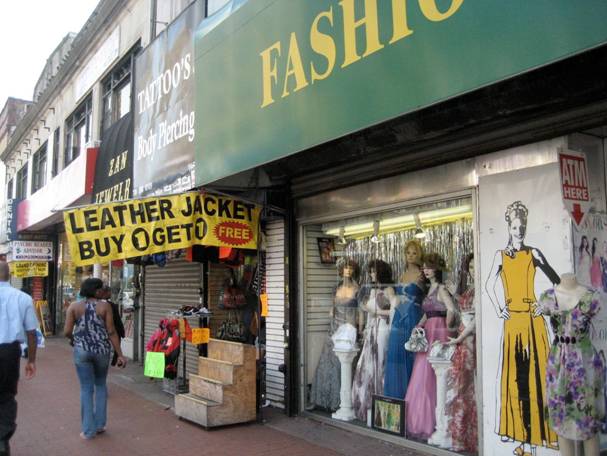 In early 2011, the Jamaica Youth Initiative—a working group of governmental, nonprofit and private institutions in a bustling neighborhood in Southern Queens—convened to discuss an important matter affecting their community: disengaged and idle youth. At the end of every school day, thousands of youth crowd the streets of downtown Jamaica, where after school activities are in demand. Partners for Livable Communities (Partners) views this demand as a rare opportunity to focus positive attention on the assets available to and within this youth population. With support from the Hearst Foundation, Partners is currently collaborating the Youth Initiative, the Greater Jamaica Development Corporation, and the Cultural Development Corporation to develop a framework of goals and recommendations that will expand arts-based after school opportunities. Ultimately, the goal is to provide programming that will enrich the lives of these youth, provide them with meaningful experiences, and assist them in obtaining employment. In early 2011, the Jamaica Youth Initiative—a working group of governmental, nonprofit and private institutions in a bustling neighborhood in Southern Queens—convened to discuss an important matter affecting their community: disengaged and idle youth. At the end of every school day, thousands of youth crowd the streets of downtown Jamaica, where after school activities are in demand. Partners for Livable Communities (Partners) views this demand as a rare opportunity to focus positive attention on the assets available to and within this youth population. With support from the Hearst Foundation, Partners is currently collaborating the Youth Initiative, the Greater Jamaica Development Corporation, and the Cultural Development Corporation to develop a framework of goals and recommendations that will expand arts-based after school opportunities. Ultimately, the goal is to provide programming that will enrich the lives of these youth, provide them with meaningful experiences, and assist them in obtaining employment.
Read more »
Rarely does the subject of water inspire poetic phrases or passionate dedications. While we may occasionally recognize its importance, this appreciation is usually offset by the size of the water bill at the end of the month. Regardless, I’m going to ask an odd question: have you ever celebrated water? If I got a single “yes” I would be very surprised, for the simple reason that there are few formalized occasions for the public to appreciate water. This year, a multitude of civic and non-profit organizations have teamed up to give individuals the opportunity to celebrate their “love for water” in the annual Rachel Carson Sense of Wonder Contest.
 2012 marks the 40th Anniversary of the Clean Water Act. Although it was originally enacted in 1948, the Act was significantly reorganized and expanded in 1972 to regulate discharges of water pollutants and monitoring water quality standards in the United States. The Annual Rachel Carson Sense of Wonder Contest is honoring this anniversary and renaming itself the “Sense of Water Contest” for 2012. 2012 marks the 40th Anniversary of the Clean Water Act. Although it was originally enacted in 1948, the Act was significantly reorganized and expanded in 1972 to regulate discharges of water pollutants and monitoring water quality standards in the United States. The Annual Rachel Carson Sense of Wonder Contest is honoring this anniversary and renaming itself the “Sense of Water Contest” for 2012.
Read more »
Terms:Aging, Aging in Place, AIP Best Practice, Arts & Culture, Community Building, Community Engagement, Diversity, Environment, Families, Intergenerational, Youth
Nonprofit urban café creates opportunities for local residents in arts and culture and most importantly, in employment.
Read more »
Terms:Arts & Culture, Business, Community Building, Community Engagement, Diversity, Education, Health & Wellness, Jobs, Neighborhood Revitalization, Social Capital, St. Louis, MO, Workforce Development, Youth
Berkeley, CA
A cultural institution that embraces the arts as a means to examine deeper social issues.
Read more »
|
|

